
When choosing materials for a home or project, appearance is not the only thing to consider. Materials used on floors, walls, and exterior areas also need performance that supports long-term use.
Sintered stone is one material that offers a combination of aesthetics and performance. However, the quality of every sintered stone product is not the same. The production process, material characteristics, installation, and maintenance can all affect how the material performs over the long term.
What Makes Sintered Stone Suitable for the Long Term?
Sintered stone is produced through compaction and heating at high temperatures. This process creates a dense material with performance that can support a wide range of space needs.
However, the type of material is not the only thing that matters. Production technology and product specifications are also important factors when choosing sintered stone for long-term use.
Thicker Does Not Mean Stronger
A thicker material does not automatically perform better. Production technology and material characteristics also determine how well a slab can handle pressure during use.
For that reason, consumers should not only compare thickness when choosing a material, but also look at measurable performance specifications such as bending strength and water absorption.
Proper Installation Still Matters
A material with good performance still needs proper installation.
The condition of the substrate, the use of a suitable adhesive, and installation technique all need attention for the material to perform optimally. Following the installation guidelines recommended by the manufacturer also helps reduce the risk of problems after installation.
Proper Maintenance Helps Preserve Its Appearance
Sintered stone is known for practical maintenance, but the cleaning method and products still need to be chosen carefully.
For daily care, cleaning the surface regularly with suitable tools and cleaning liquids helps keep its appearance in optimal condition.
Production Technology Makes the Difference
For long-term use, material quality from the start is an important consideration. This is one of the things that sets Titanium Sintered Stone apart.
Titanium is produced with the Lamina Machine, Italian technology with up to 10 times the pressing force of conventional machines. This production technology supports slabs with optimal performance, density, and precision.
At a thickness of only 8 mm, Titanium has a bending strength of over 400 kg/cm² and water absorption below 0.05%. Titanium also has flatness of up to ±0.1%, combining a thin format, precision, and material performance.
Strong and Rich in Design Choices
A material for the long term needs more than good performance. Its design also needs to adapt to many different space characters.
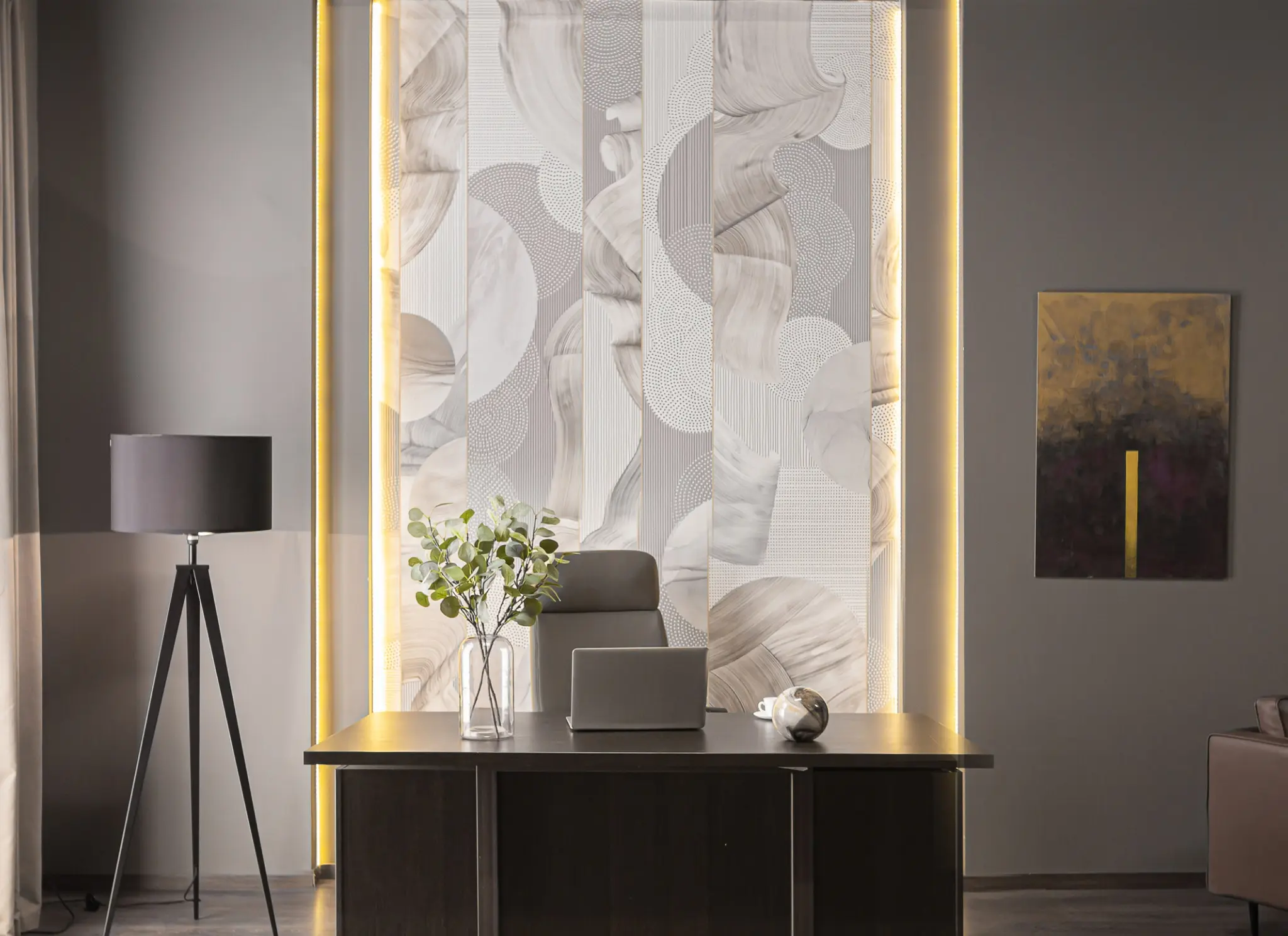
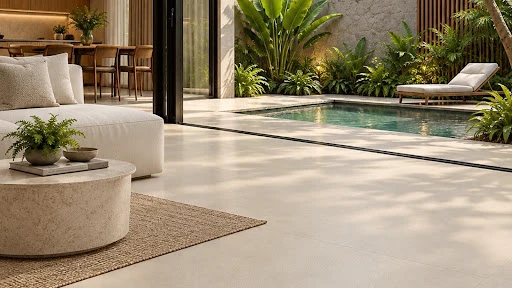
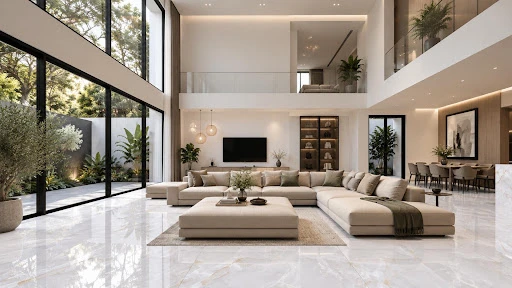
Titanium Sintered Stone is available in a wide range of motifs and surface characters, so it can be used for many design needs, from residential to commercial projects.
The big slab format of 120×240 cm also allows larger surfaces with fewer joints, resulting in a neater and more seamless look.
Choose a Material for the Long Term, Not Just for Today
So, is sintered stone suitable for long-term use? Its material characteristics do support that need, but product quality, production technology, installation, and maintenance remain factors to consider.
With Lamina technology from Italy, a bending strength of over 400 kg/cm², water absorption below 0.05%, and a big slab format of 120×240 cm, Titanium Sintered Stone delivers a combination of performance and design for spaces meant to last.
Titanium Sintered Stone is produced in Indonesia by PT Surya Multi Cemerlang, part of Platinum Ceramics Group, which has 55 years of experience in Indonesia’s tile industry and is Halal certified.
Looking for a material for a space designed to last? Explore the range of Titanium Sintered Stone options and contact our team to find the material that fits your project needs.